Food service franchises: concepts, regulations and daily life
A café, a bowl bar or a delivery kitchen: which food service concepts are available as franchises, which regulations apply and what daily life looks like between deliveries and cashing up.
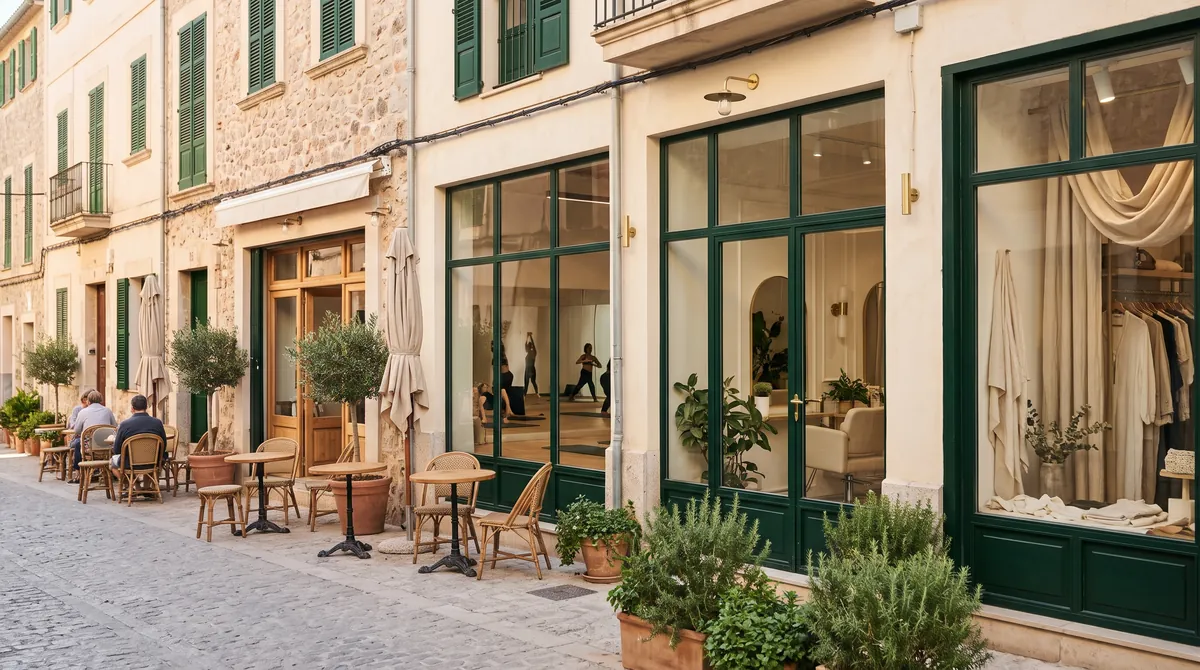

At six in the morning the street is still empty, but the lights are already on behind the glass door. The first delivery is waiting, the oven is warming up, and the temperature check list lies on the counter. Anyone who works in food service knows these quiet hours before the first guest. In this sector, a franchise system takes a great deal off your hands: recipes, purchasing, processes and brand presentation. What it does not take on is the early morning, the lunchtime rush and responsibility for every plate. That is why an honest look at concepts, regulations and daily life is worthwhile before you decide.
Which concepts are available
Food service is one of the most varied franchise sectors. The concepts differ in floor space, kitchen, staffing needs and opening hours:
- Quick-service restaurants and chain catering with a short menu, standardised processes and high throughput
- Cafés and bakery cafés, which live on breakfast, lunch and the afternoon coffee trade
- Bowls and healthy food with fresh ingredients, often for working people on their lunch break
- Ice cream and desserts, frequently with a strong summer trade
- Delivery concepts and ghost kitchens (kitchens without a dining room of their own that cook only for delivery)
- Bars, where drinks, atmosphere and evening trade take centre stage
Each of these models calls for a different mindset. A café is a place to linger, a delivery concept more of a logistics business with a kitchen, a bar an evening business with rules of its own. Ask yourself honestly which role you see yourself in over the next few years, and choose the concept accordingly, not just on the basis of whatever idea happens to be in demand.
What decides success
In food service, location comes first. Footfall, meaning the number of people who pass by every day, is particularly important for quick-service restaurants and cafés. A delivery concept, by contrast, mainly needs short distances to its customers. Next come the processes: the leaner they are, the calmer the kitchen stays at peak times.
Two cost blocks deserve special attention: the cost of goods and staff costs. If you do not have portion sizes, wastage and shift planning under control, you will soon feel it in the bottom line. Systems help with fixed recipes, order lists and joint purchasing that secures better terms. Consistent quality is the real promise of a brand: guests expect the same experience in every outlet, and that is exactly what the name above the door stands for.
Regulations in Germany
Before the first guest arrives, a number of official steps are needed. The most important at a glance:
| Topic | What applies | Responsible body |
|---|---|---|
| Business registration | Registering the business before you start trading | The municipality’s trade office (Gewerbeamt) |
| Restaurant licence | For serving alcoholic drinks, depending on state law (the federal Restaurants Act or a state Restaurants Act) | The authority designated by state law, often the public order office (Ordnungsamt) |
| Instruction under Section 43 IfSG | For people who work with food professionally, in the kitchen for example (German Infection Protection Act) | The local public health office or an appointed doctor |
| Food hygiene | Own checks based on HACCP principles under Regulation (EC) No 852/2004 | Food safety authorities |
| Allergen labelling | Information on allergens, including for unpackaged food, under Regulation (EU) No 1169/2011 | Food safety authorities |
| Tills | Electronic tills meeting the requirements of the German Cash Register Security Ordinance | Tax office |
Responsibilities vary by federal state and municipality.
HACCP stands for Hazard Analysis and Critical Control Points. It refers to a system with which a business identifies risks to food safety, monitors them at the critical points and documents this, for example cooling temperatures, cooking times and cleaning. Good franchise systems provide templates that match the concept. Responsibility nevertheless remains with the business on site, and inspections by the food safety authorities are directed at you as the operator.
Food service in Spain
On Mallorca and the Costa del Sol, food service is one of the obvious lines of business. The basic rules of food hygiene are the same there because they are based on EU law, including Regulation (EC) No 852/2004. To open, the business needs an activity licence from the municipality, the licencia de actividad, which is applied for at the Ayuntamiento (the town hall). If you want to put tables outside, you also need a permit for the terrace. In coastal towns the terrace is often the best spot in the place, so it pays to settle this question before signing the lease. It is customary there to work with a Gestoría (an administrative agency for official procedures, tax and social security), which handles applications and registrations.
Staff: the heart of the business and the biggest task
No restaurant runs without a good team. Food service means shift work, weekends and public holidays, and often seasonal staff for the busiest months as well. As a franchisee, you plan shifts, recruit, train and lead. Apprenticeships are worthwhile because they retain young talent who know the concept from the start. Many systems help with training programmes and onboarding templates, so that new staff quickly gain confidence.
In food service, leadership above all means being there. At peak times the boss lends a hand, and after the shift there is a quick word for everyone. If you give your team reliability and recognition, you will see less turnover and more calm in the business.
A franchise system supplies recipes and processes; the team on site brings the hospitality.
A day in the business
Daily life follows a fixed rhythm that shifts depending on the concept:
- Start early: accept deliveries, check goods and temperatures, begin preparing for the day.
- Document hygiene: record fridges, cleaning and incoming goods according to the plan for your own checks.
- Handle peak times: lunch or dinner with a full team and clearly allocated tasks.
- Plan in between: orders, shift rotas, talks with the team and enquiries from guests.
- Cash up: close the till, reconcile with the cost of goods and send reports to the franchisor.
This rhythm is demanding, but there is also something reassuring about it. If you like it, food service offers work with visible results: full tables, happy guests and regulars who are greeted by name.
Questions for the franchisor
When talking to a food service franchisor, specific questions that go beyond the menu and the brand presentation are helpful:
- How are new dishes developed, and how are franchisees trained when the menu changes?
- Which suppliers are prescribed, and how do purchasing benefits reach the franchisees?
- What templates are there for HACCP, allergen labelling and cleaning schedules?
- How does the head office help with permits, conversion work and planning the ventilation?
- How is the team trained before opening, and who is on site in the first few weeks?
Good answers are specific and can be checked in conversations with existing franchisees.
Investment and personal commitment
Food service concepts often require a higher investment than many service franchises. The reason lies in the technology: a commercial kitchen with appliances, refrigeration and above all powerful ventilation is costly, on top of conversion work, fittings and the dining area. Ask the head office for a transparent investment overview and build in reserves for the start-up phase. Our article on equity and investment budgets covers the basics.
To be honest, food service demands a high level of personal commitment, especially in the first year. In return, it rewards you with something other sectors rarely offer: direct closeness to your guests. Every day you see whether your business brings people pleasure, and every day you have the chance to make it a little better.
Frequently asked questions
Does every café in Germany need a restaurant licence?
That depends on the law of the federal state. A licence mainly comes into question if alcoholic drinks are served. The responsible authority in the municipality will tell you which rules apply at your location.
What is the instruction under Section 43 IfSG?
It is a briefing on hygiene and infection control under the German Infection Protection Act for people who work with food professionally. It is given by the public health office or an appointed doctor. This also applies to franchisees who work in the kitchen themselves.
What is the difference between a ghost kitchen and a restaurant?
A ghost kitchen has no dining room and cooks only for delivery. Passing trade matters less, short delivery routes all the more. Hygiene and allergen labelling rules apply just as they do in a restaurant.
Why is the investment in food service often higher?
Kitchen, refrigeration and ventilation are costly, on top of conversion work and fittings. Ask for an investment overview and plan a reserve for the start-up phase.
This article is for general information and is not legal, tax or financial advice. Laws and funding programmes can change; discuss your own situation with a specialist lawyer, tax adviser or your bank.
Read on in our network
- GourmarisRestaurant guide
Restaurant recommendations and insights into the world of food service.
- HotelrisHotel magazine
The hotel magazine reports on hospitality, hosts and their properties.